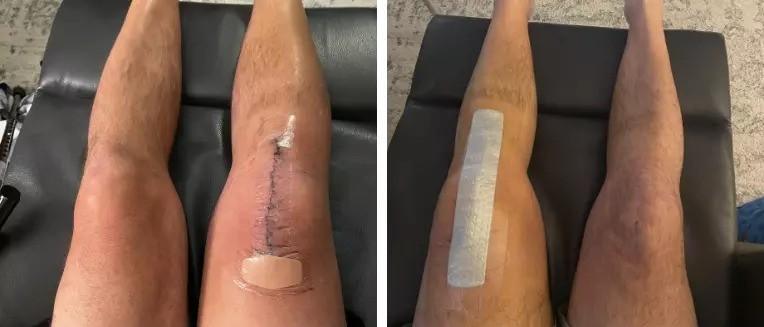
Robotic Knee Replacement in Kolkata | Dr Debasis Chakravarty

Robotic Knee Replacement in Kolkata | Dr Debasis Chakravarty

Knee pain can gradually affect your ability to walk, climb stairs, stand comfortably or carry out everyday activities. When advanced arthritis damages the knee joint and medication, exercise or other non-surgical treatments no longer provide sufficient relief, knee replacement surgery may be considered. Robotic knee replacement in Kolkata combines advanced computer-assisted planning with robotic technology to help the orthopaedic surgeon assess joint anatomy, plan implant positioning and perform specific surgical steps with greater precision. Dr. Debasis Chakravarty is an experienced Orthopaedic and Joint Replacement Surgeon in Kolkata, with over 30 years of experience in orthopaedic surgery. He holds MBBS, M.S. (Orth), MRCS (Edin) and FRCS (Trauma & Orth) qualifications and serves as Director of the Department of Orthopaedics and Senior Consultant – Joint Replacement & Trauma Surgery at Manipal Hospitals, Kolkata. With a focus on joint replacement and complex orthopaedic procedures, Dr. Chakravarty provides clinical assessment to help patients understand their condition, available surgical approaches and appropriate treatment options. If persistent knee pain is limiting your mobility, consult an orthopaedic specialist to determine whether knee replacement is appropriate for you.

What Is Robotic Knee Replacement?

Robotic-assisted knee replacement is a surgical technique in which an orthopaedic surgeon uses a computer-assisted robotic system to support the planning and execution of knee replacement surgery. Unlike conventional knee replacement, where surgeons primarily use standard instruments and surgical guides, robotic-assisted procedures can incorporate three-dimensional planning, computer navigation and real-time feedback, depending on the technology used. The robotic system helps the surgeon assess the patient's knee anatomy, plan bone preparation and guide specific surgical movements during the procedure. The surgeon remains responsible for all major surgical decisions and performs the operation. In Robotic Total Knee Replacement, damaged joint surfaces are replaced with artificial components designed to restore joint function and help reduce pain caused by advanced joint disease. The procedure may be considered for patients with severe osteoarthritis, rheumatoid arthritis or other conditions that have significantly damaged the knee joint.

When Should You Consider Robotic Knee Replacement Surgery?

Robotic Assisted Knee Replacement Surgery Not every patient with knee pain requires surgery. However, when joint damage becomes advanced and conservative treatment no longer provides adequate relief, knee replacement may be discussed. You may need an orthopaedic evaluation if you experience:
  • Persistent knee pain while walking, standing or performing daily activities.
  • Pain that continues even while resting or sleeping.
  • Stiffness that makes bending or straightening the knee difficult.
  • Difficulty climbing stairs or getting up from a chair.
  • Swelling and discomfort around the knee joint.
  • Bowing of the legs or visible changes in knee alignment.
  • Reduced walking distance because of knee pain.
  • Limited improvement despite medication, lifestyle modifications or other non-surgical treatments.
An orthopaedic surgeon evaluates your symptoms, physical examination findings, X-rays and overall health before recommending surgery. The decision to undergo Robotic Knee Surgery in Kolkata should be based on your individual joint condition, treatment goals and medical suitability rather than the technology alone.

How Does Robotic-Assisted Knee Replacement Work?

Robotic-Assisted Knee Replacement involves a combination of surgical expertise, computer-assisted planning and specialised instruments. The exact workflow varies according to the robotic platform and surgical technique.

1. Preoperative Assessment

The surgeon examines your knee, reviews your medical history and evaluates the extent of joint damage. Imaging, including X-rays and CT scans where required by the system, may be used to assess bone anatomy and prepare the surgical plan.

2. Personalised Surgical Planning

The robotic system helps create a three-dimensional representation of the knee where applicable. The surgeon uses this information to plan bone preparation, implant positioning and alignment according to the patient's anatomy.

3. Computer-Assisted Surgical Guidance

During surgery, navigation technology provides information about the position and movement of surgical instruments. Depending on the system, robotic instruments may provide feedback or constrain certain movements within the surgeon-defined plan.

4. Removal of Damaged Joint Surfaces

The surgeon removes the damaged bone and cartilage required for the planned replacement. Robotic assistance helps guide specific surgical steps, while the surgeon maintains control throughout the procedure.

5. Implant Placement

Artificial components are positioned to replace the damaged joint surfaces. The surgeon assesses the knee's movement, alignment and stability before completing the operation.

6. Postoperative Care

After surgery, the patient is monitored and begins a recovery programme based on their condition and the treating team's recommendations.

Benefits of Robotic Knee Replacement

Robotic technology offers additional tools for surgical planning and execution. Its potential advantages depend on the patient's anatomy, the robotic platform and the surgeon's approach.

Greater Surgical Precision

Computer-assisted planning and robotic guidance help the surgeon execute planned bone cuts and implant positioning with greater accuracy.

Personalised Surgical Planning

Three-dimensional planning, where available, allows the surgeon to consider individual bone anatomy and joint alignment.

Assessment of Joint Balance

Certain robotic systems help assess soft-tissue balance and knee movement during surgery, supporting decisions about implant positioning.

Bone Preservation

Robotic guidance may help the surgeon follow the planned bone preparation more closely and avoid unnecessary bone removal.

Improved Surgical Planning

The surgeon can evaluate relevant anatomical information and plan the procedure before making surgical cuts.

Support for Consistent Surgical Execution

Robotic technology provides additional guidance during selected surgical steps, helping the surgeon follow the intended operative plan. Important: Robotic assistance does not eliminate surgical risks or guarantee less pain, faster recovery, longer implant life or superior outcomes for every patient. The choice between robotic and conventional knee replacement should be made after discussing the expected benefits, limitations and costs with your surgeon.

VELYS™ Robotic-Assisted Knee Replacement in Kolkata

The VELYS™ Robotic-Assisted Solution, developed by DePuy Synthes, part of Johnson & Johnson MedTech, is an advanced technology designed to support surgeons during knee replacement procedures. Using CT-free technology, real-time anatomical information and computer-assisted surgical planning, VELYS helps the surgeon plan implant positioning and guide specific surgical steps according to the patient's knee anatomy. Unlike a fully autonomous system, VELYS does not perform surgery independently. The orthopaedic surgeon remains in control of the procedure and makes all critical surgical decisions.

How Does VELYS™ Technology Work?

VELYS - Robotic Assisted Knee Replacement Surgery The VELYS™ Robotic-Assisted Solution incorporates several technologies to support surgical planning and execution.

1. CT-Free Surgical Planning

VELYS uses intraoperative anatomical data without requiring a preoperative CT scan for its standard knee replacement workflow. This allows the surgeon to develop a surgical plan using information gathered during the procedure.

2. Personalised Implant Positioning

The system helps the surgeon assess knee anatomy and adjust implant positioning according to the planned alignment and soft-tissue considerations.

3. Real-Time Surgical Guidance

Its tracking technology provides real-time information to help guide surgical movements and execute planned bone cuts.

4. Joint Balance Assessment

The ACCUBALANCE™ Graph provides information about knee balance through the range of motion, helping the surgeon assess joint stability and make planning adjustments.

5. Surgeon-Controlled Precision

VELYS uses robotic-assisted instruments to guide bone preparation within the surgeon-defined plan. The surgeon maintains control throughout the operation.

Potential Advantages of VELYS™ Robotic-Assisted Knee Replacement

  • Personalised surgical planning based on individual knee anatomy.
  • CT-free workflow for standard supported procedures.
  • Computer-assisted guidance during selected surgical steps.
  • Real-time information to support implant positioning.
  • Assessment of joint balance during surgery.
  • Surgeon-controlled execution of planned bone cuts.
The suitability of VELYS-assisted surgery depends on the patient's condition and the surgeon's clinical assessment. These technological features do not guarantee a particular recovery timeline or surgical outcome.

Robotic Knee Replacement vs Conventional Knee Replacement

Both robotic-assisted and conventional knee replacement aim to relieve pain caused by advanced joint damage and improve mobility. The primary difference lies in the tools used for surgical planning and execution.
Feature Conventional Knee Replacement Robotic-Assisted Knee Replacement
Surgical planning Standard imaging and surgical assessment May include 3D computer-assisted planning
Surgical instruments Conventional surgical guides and instruments Robotic-assisted instruments and navigation
Implant positioning Surgeon-guided Surgeon-guided with additional technological assistance
Joint assessment Clinical and surgical assessment May include additional computer-assisted measurements
Surgeon involvement Surgeon performs the entire procedure Surgeon remains in control of the operation
Cost Depends on hospital and procedure May involve additional technology-related costs
Neither technique is automatically suitable for every patient. The surgeon's experience, the patient's anatomy, medical condition and treatment requirements remain important considerations.

Who Is an Ideal Candidate for Robotic Total Knee Replacement?

Robotic Total Knee Replacement may be considered for patients whose knee joint has sustained significant damage and whose symptoms interfere with everyday life. Potential candidates include individuals with:
  • Advanced osteoarthritis of the knee.
  • Rheumatoid arthritis causing substantial joint damage.
  • Persistent pain and stiffness affecting mobility.
  • Significant joint deformity or alignment problems.
  • Limited improvement from non-surgical treatments.
  • Difficulty performing routine activities because of knee pain.
However, robotic-assisted surgery is not necessary for everyone requiring knee replacement. A comprehensive assessment helps determine whether robotic assistance, conventional knee replacement, partial knee replacement or continued non-surgical management is appropriate.

Conditions Treated With Knee Replacement Surgery

Osteoarthritis

Osteoarthritis is one of the most common reasons for knee replacement. It involves progressive damage to the cartilage covering the joint surfaces, resulting in pain, stiffness and reduced mobility.

Rheumatoid Arthritis

Rheumatoid arthritis is an inflammatory condition that can damage the cartilage and bone of the knee joint, sometimes making replacement surgery necessary.

Post-Traumatic Arthritis

Previous fractures or serious knee injuries may cause progressive joint damage and arthritis, leading to persistent pain and functional limitations.

Advanced Knee Joint Degeneration

When the knee joint becomes severely damaged and other treatments no longer provide adequate relief, knee replacement may be considered after specialist evaluation.

Why Choose Dr. Debasis Chakravarty for Knee Replacement?

Choosing a surgeon for knee replacement involves more than selecting a particular surgical technology. Experience in orthopaedic surgery, understanding of joint mechanics and appropriate treatment planning are important factors. Dr. Debasis Chakravarty is an Orthopaedic and Joint Replacement Surgeon associated with Manipal Hospitals, Kolkata.

Over 30 Years of Orthopaedic Experience

Dr. Chakravarty has more than 30 years of experience in orthopaedic surgery, with clinical interests in joint replacement, trauma surgery and revision arthroplasty.

Advanced Surgical Qualifications

His qualifications include:
  • MBBS
  • M.S. (Orth)
  • MRCS (Edin)
  • FRCS (Trauma & Orth)

Joint Replacement Expertise

His areas of specialisation include knee, hip, shoulder and elbow joint replacement, along with revision surgery for failed joint replacements.

Individualised Treatment Assessment

Every patient has different symptoms, joint damage, medical history and expectations. Treatment planning should account for these differences rather than applying a single approach to everyone.

Hospital-Based Orthopaedic Care

Dr. Chakravarty is associated with Manipal Hospitals, Kolkata, where he serves as Director of the Department of Orthopaedics and Senior Consultant – Joint Replacement & Trauma Surgery. Patients considering Robotic Knee Replacement in Kolkata can consult him to understand their treatment options and determine the appropriate surgical approach.

What Happens Before Robotic Knee Replacement Surgery?

Preparation is an important part of knee replacement care. Before surgery, the orthopaedic team may recommend:
  1. Clinical evaluation: Assessment of pain, mobility, knee alignment and joint function.
  2. Imaging: X-rays and additional imaging where necessary for diagnosis and surgical planning.
  3. Medical assessment: Review of existing conditions, medications and anaesthesia-related considerations.
  4. Preoperative investigations: Blood tests and other investigations depending on your health.
  5. Medication review: Guidance regarding medicines that may need adjustment before surgery.
  6. Prehabilitation: Appropriate exercises and preparation to support postoperative mobility.
  7. Recovery planning: Arrangements for assistance at home and follow-up appointments.
The surgeon and anaesthesia team will explain the procedure, expected recovery, potential complications and precautions before surgery.

Recovery After Robotic Knee Replacement Recovery After Robotic Knee Replacement

Recovery after Robotic Knee Replacement in Kolkata depends on several factors, including the patient's age, general health, preoperative mobility, surgical findings and adherence to the rehabilitation plan. Robotic assistance does not remove the need for postoperative rehabilitation.

Immediately After Surgery

Patients are monitored in the hospital following the operation. Pain management, wound care and early mobilisation are introduced according to the treating team's protocol.

First Few Weeks

A walker or other walking aid may be required initially. Prescribed exercises help improve knee movement, muscle strength and walking ability.

6–12 Weeks

Many patients gradually resume routine daily activities during this period, although recovery timelines vary considerably.

Long-Term Recovery

Continued strengthening, follow-up consultations and adherence to medical advice support recovery and implant care. Your surgeon will provide an individual recovery plan based on your progress.

Risks and Possible Complications

Like conventional knee replacement, robotic-assisted surgery is a major surgical procedure and carries potential risks. Possible complications include:
  • Infection around the surgical wound or implant.
  • Blood clots in the leg or lungs.
  • Bleeding.
  • Stiffness or restricted knee movement.
  • Persistent pain.
  • Nerve or blood vessel injury.
  • Implant loosening or wear over time.
  • Fracture around the implant.
  • Anaesthesia-related complications.
Robotic technology does not eliminate these risks. Your surgeon will explain the potential benefits and complications in the context of your medical condition before you make a treatment decision.

Cost of Robotic Knee Replacement in Kolkata

The cost of Robotic Knee Replacement in Kolkata can vary depending on the patient's medical requirements, hospital facilities and surgical plan. Factors that may influence the total treatment cost include:
  • Type and brand of knee implant.
  • Robotic technology and associated equipment.
  • Hospital room category and length of stay.
  • Preoperative investigations.
  • Anaesthesia and surgical charges.
  • Medical conditions requiring additional care.
  • Postoperative medication and rehabilitation.
  • Insurance coverage and eligibility.
A personalised cost estimate can be discussed after clinical assessment and confirmation of the planned procedure. Patients should also ask whether the quoted estimate includes implant charges, robotic technology fees, hospitalisation and postoperative care.

Book a Consultation With a Knee Replacement Specialist in Kolkata

Living with persistent knee pain can affect mobility, independence and quality of life. If you are considering Robotic Knee Replacement in Kolkata, a specialist consultation can help you understand the extent of joint damage, whether surgery is necessary and which surgical approach may be suitable. Dr. Debasis Chakravarty, an experienced Knee Replacement Specialist in Kolkata, provides orthopaedic consultation for patients with knee joint disorders and those considering joint replacement surgery. Discuss your symptoms, imaging reports and treatment concerns to make an informed decision about your knee health.
Book an Appointment With Dr. Debasis Chakravarty Orthopaedic & Joint Replacement Surgeon +91 9874441122

Frequently Asked Questions

1. What is the difference between robotic knee replacement and traditional knee replacement?

Robotic knee replacement uses computer-assisted planning and robotic technology to guide selected surgical steps. Traditional knee replacement uses conventional surgical instruments and guides. Both procedures are performed by an orthopaedic surgeon and aim to relieve pain and improve joint function.

2. Is robotic knee replacement better than conventional knee replacement?

Robotic assistance can improve the precision of surgical planning and execution. However, it does not guarantee better pain relief, faster recovery or longer implant survival for every patient. The appropriate technique depends on the patient's condition and the surgeon's assessment.

3. Who is eligible for robotic knee replacement?

Patients with advanced knee arthritis, persistent pain, joint deformity or significant mobility limitations may be considered. Eligibility depends on clinical examination, imaging, general health and the suitability of the surgical approach.

4. How long does robotic knee replacement surgery take?

The operating time varies depending on the complexity of the case, whether one or both knees are being treated and the surgical technique. The surgeon can provide an individual estimate after evaluation.

5. Is robotic knee replacement a minimally invasive surgery?

Robotic assistance refers to the technology used for surgical planning and guidance. It does not automatically mean a smaller incision or minimally invasive surgery. The incision and surgical approach depend on the patient's condition and the surgeon's technique.

6. How painful is robotic knee replacement?

Some pain and discomfort are expected after knee replacement. Pain management strategies are used to help patients participate in early mobilisation and rehabilitation. The level of pain varies between individuals.

7. How long does it take to recover from robotic knee replacement?

Many patients gradually resume routine daily activities over approximately 6–12 weeks, but complete recovery may take several months. Rehabilitation, muscle strength, general health and preoperative mobility influence the recovery timeline.

8. How long does a robotic knee replacement implant last?

Implant longevity depends on several factors, including implant design, patient activity, body weight, surgical factors and overall joint health. Robotic assistance does not guarantee a longer-lasting implant.

9. Is robotic knee replacement safe for elderly patients?

Age alone does not determine eligibility. General health, heart and lung function, bone quality, mobility and the ability to participate in rehabilitation are important considerations. An orthopaedic and medical evaluation is necessary.

10. What is the cost of robotic knee replacement in Kolkata?

The cost varies according to the implant, hospital, robotic technology, duration of hospitalisation and individual medical requirements. A personalised estimate should be obtained from the hospital after consultation.

11. Can both knees be replaced using robotic assistance?

Bilateral knee replacement may be considered for selected patients with severe arthritis in both knees. Whether both knees should be operated on during the same sitting or in separate procedures depends on overall health, surgical risk and the treating surgeon's assessment.

12. Who should I consult for robotic knee replacement in Kolkata?

Patients considering knee replacement can consult Dr. Debasis Chakravarty, an Orthopaedic and Joint Replacement Surgeon at Manipal Hospitals, Kolkata, for assessment of knee arthritis, joint damage and appropriate surgical treatment options.