

If you're considering knee replacement surgery, you might be curious about the latest advancements that make these procedures safer, more precise, and better tailored to individual needs. One such advancement is the integration of robotic technology into the surgical process. This isn't just about embracing high-tech for the sake of it; it's about enhancing the accuracy and outcomes of your surgery in ways previously not possible.
Think of it like this: if traditional surgery was like navigating a familiar road with a standard map, robotic-assisted surgery is like using a state-of-the-art GPS system. This technology doesn't just guide the surgeon—it enhances their ability to plan and execute the surgery with a level of precision that is designed to improve how well your new knee functions and feels.
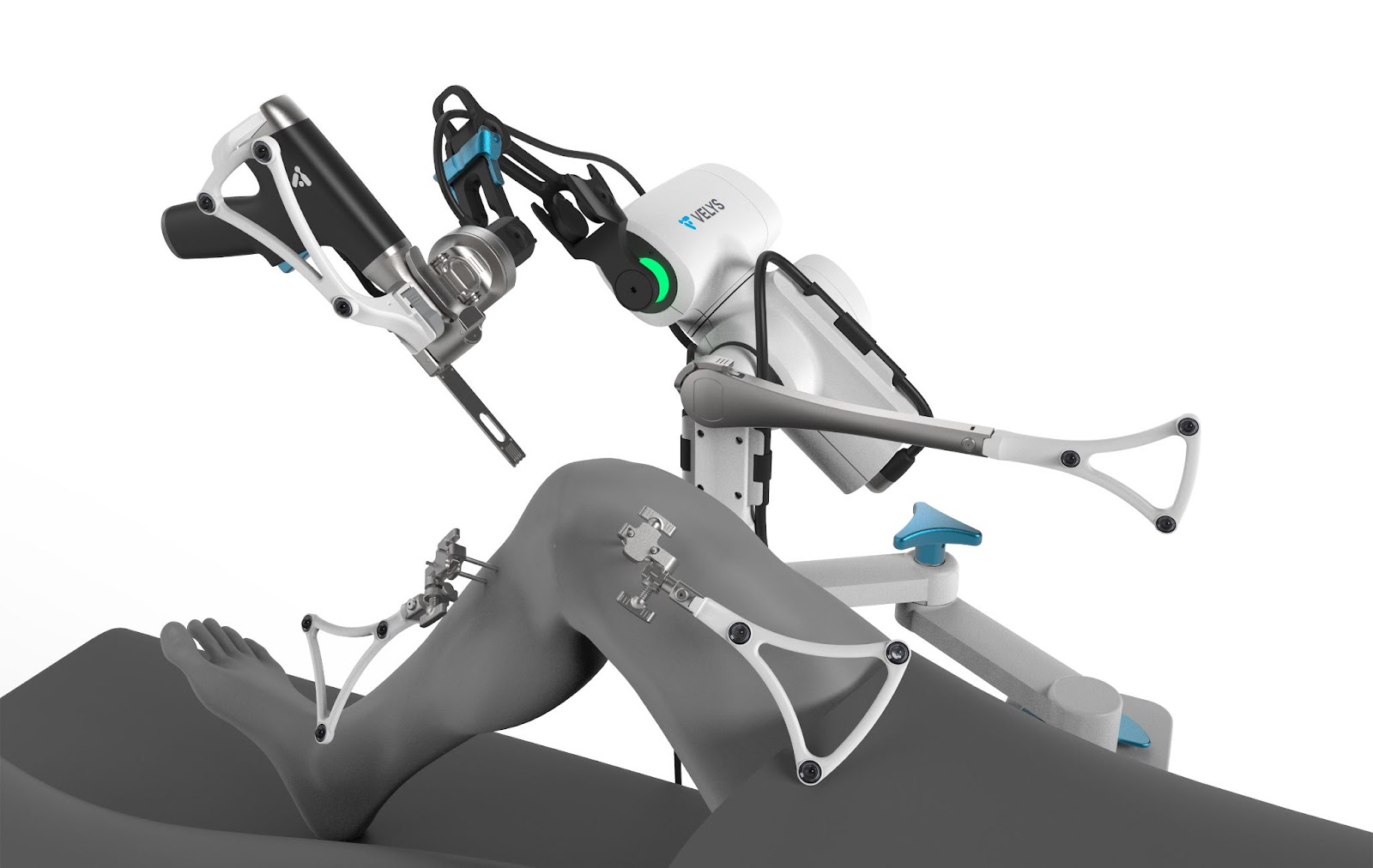
Robotic knee replacement surgery represents a significant leap forward in orthopedic medicine. This method employs a robotic arm controlled by the surgeon, which is used to assist with the precise removal of damaged bone and the placement of the knee implant.
Let's break it down with a simple analogy: imagine you’re an artist tasked with restoring a beautiful, intricate painting. You could do it by hand with tiny brushes, relying solely on your eyes and steady hands. Now, imagine you have a high-definition camera and a computer-guided tool that helps you apply each stroke of paint exactly where it's needed, matching the original colors and textures without overstepping. This is what robotic technology does for knee replacement—it guides the surgeon’s hands to achieve the desired accuracy in removing damaged parts and fitting the new knee.
The technology typically involves three key components:
This combination of planning, precision, and feedback helps ensure that the knee implant is perfectly aligned and fitted to your unique anatomy, which is crucial for the success of the surgery and the longevity of the knee implant.
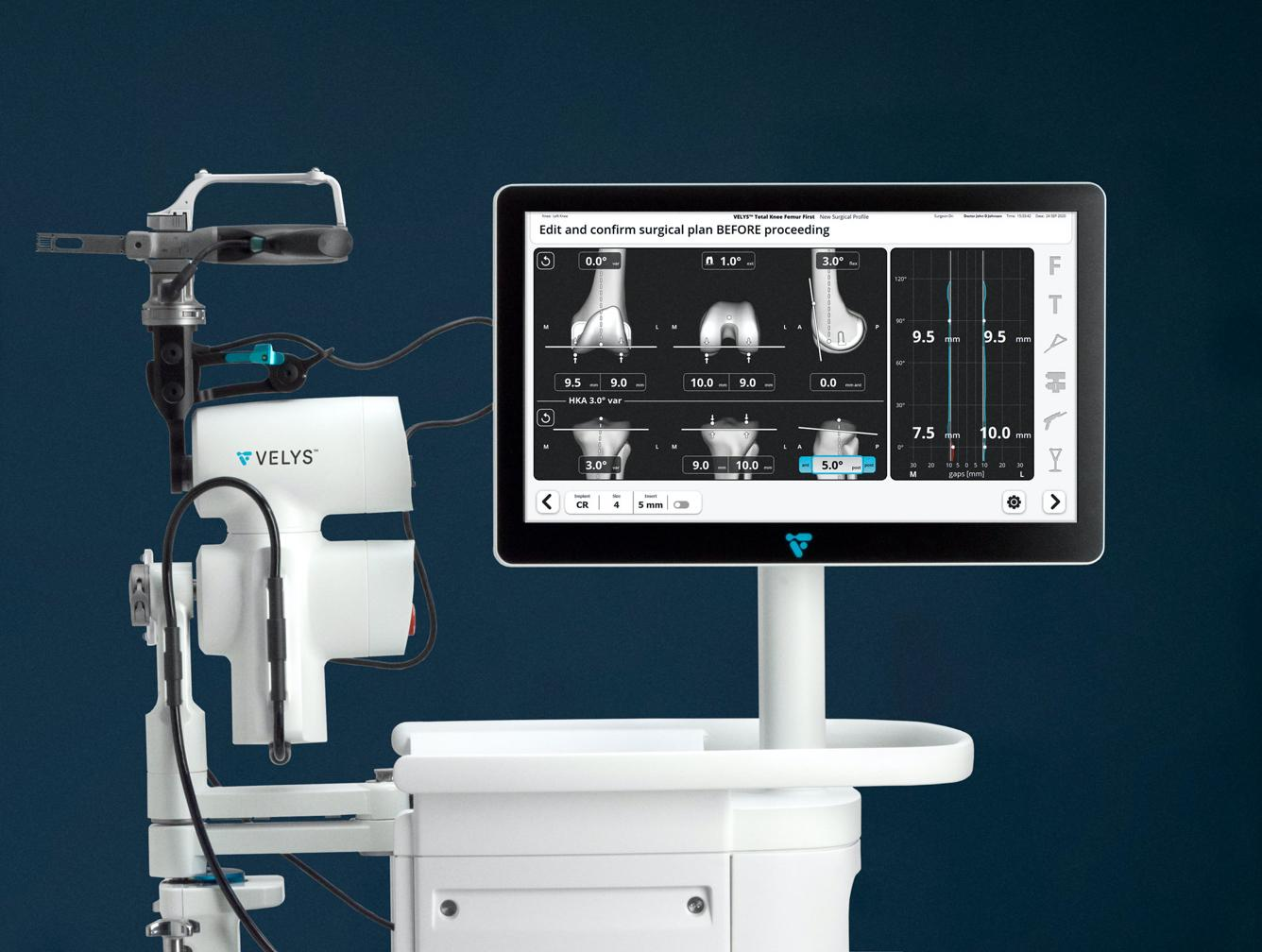
The primary benefits of robotic knee replacement are rooted in the precision and personalization that the technology offers. This can be especially important for surgery outcomes and patient satisfaction.
These benefits showcase why robotic knee replacement is becoming a preferred choice for many surgeons and patients alike. It brings together the best of technology and medical expertise to improve surgical outcomes and patient experiences.
Not everyone with knee pain will need or benefit from robotic knee replacement surgery. However, for many, it represents a significant advancement in the treatment of knee conditions. Understanding who is most likely to benefit from this technology can help patients and their doctors make informed decisions.
Recovery and Rehabilitation After Robotic Knee Replacement Surgery
Recovery and rehabilitation are crucial phases after any knee replacement surgery. With robotic knee replacement, the precision of the procedure often leads to a smoother and potentially quicker recovery process. Here's what you can expect during the rehabilitation period:

Read More about Post-Surgery Rehabilitation: 5 Crucial Steps Recommended by a Joint Replacement Surgeon in Kolkata
In summary, while recovery varies from person to person, robotic knee replacement surgery generally allows for a structured and efficient rehabilitation process. Patients can often look forward to a life with less pain and greater mobility.
Robotic knee replacement surgery marks a significant improvement in how knee replacements are performed, offering patients precise and tailor-made surgical experiences that improve outcomes and speed up recovery.
As the technology evolves, the benefits of robotic-assisted surgeries continue to grow, presenting a promising option for those considering knee replacement. If you’re exploring surgery options, discussing robotic surgery with your healthcare provider could be a vital step.
Robotic knee replacement aims to restore your active lifestyle with minimal discomfort. Embrace the future of knee surgery by considering the advanced, precise, and effective solutions it offers.

Robotic knee replacement is an advanced form of knee replacement surgery in which robotic-assisted technology helps the surgeon plan and perform the procedure with greater precision. The surgeon remains in control throughout the operation, while the technology provides detailed guidance based on the patient's anatomy.
No. A robot does not independently perform the surgery. The procedure is performed by an orthopaedic surgeon, while robotic technology assists the surgeon with planning, positioning and bone preparation during the operation.
Robotic-assisted knee replacement can help the surgeon achieve more precise surgical planning and implant positioning. It may also allow the procedure to be tailored more closely to the patient's individual anatomy. However, the suitability and expected benefits depend on the patient's condition and the surgeon's assessment.
Robotic-assisted surgery is an advanced surgical approach, but it is not automatically better for every patient. The appropriate technique depends on factors such as the patient's knee condition, deformity, bone quality, overall health and the surgeon's experience. A consultation can help determine which approach is suitable.
Patients with advanced knee arthritis or significant joint damage who require knee replacement may potentially be candidates for robotic-assisted surgery. However, not every patient is suitable for the technique. The decision should be made after a detailed clinical evaluation and appropriate imaging.
Recovery varies between patients and depends on factors such as age, overall health, muscle strength, surgical complexity and rehabilitation. Robotic assistance may support precise surgical planning, but it does not guarantee a specific recovery time.
Robotic-assisted knee replacement is a surgical procedure and, like any major surgery, can involve potential risks and complications. The individual risks depend on the patient's health and the procedure being performed. Your surgeon should discuss the expected benefits, limitations and potential risks before surgery.
The duration of surgery can vary depending on the patient's condition, the complexity of the procedure and whether additional treatment is required. Your surgeon can provide a more specific estimate after evaluating your knee and treatment requirements.
The longevity of a knee replacement depends on several factors, including implant design, surgical technique, activity level, body weight, bone quality and overall health. No implant can be guaranteed to last for a specific period in every patient.
Recovery generally involves pain management, early mobilisation and a structured rehabilitation programme. Patients gradually work on improving knee movement, strength and walking ability. The exact rehabilitation plan and timeline vary according to the individual's condition and the surgeon's recommendations.
Robotic-assisted technology can potentially be used for knee replacement depending on the patient's condition and the surgeon's treatment plan. Whether both knees should be treated at the same time or separately requires individual assessment.
When choosing a robotic knee replacement surgeon in Kolkata, consider the surgeon's qualifications, experience in knee replacement, familiarity with robotic-assisted technology, hospital facilities and approach to personalised treatment planning. A consultation is important to determine whether robotic-assisted surgery is appropriate for your condition.
Age alone does not determine whether a patient is suitable for robotic knee replacement. Overall health, bone quality, knee condition, mobility and other medical factors are considered before surgery.
Patients can ask about the reason for surgery, whether robotic assistance is appropriate, the expected benefits and limitations, implant options, possible risks, hospital stay, rehabilitation and expected recovery. Understanding these factors can help patients make an informed decision about their treatment.
Rehabilitation is generally an important part of recovery after knee replacement. Your surgeon or rehabilitation team may recommend exercises and physiotherapy to improve knee movement, strength and function. The exact programme depends on the patient's recovery and medical condition.
Getting a new hip or...

Sleep plays a vital role...

Knee replacement surgery is supposed...
Living with constant knee pain...
If you're considering knee replacement...
